Iceland is not a budget destination. It can be a less punishing one in May or September, when daylight is long enough and lodging drops from peak absurdity.
The car is the ticket
Buses exist; they do not stretch rural days. A small 4x4 shared between two paid for itself against day-tour markups. We grocery-shopped in Reykjavík and Bonus runs became ritual.
What we paid for anyway
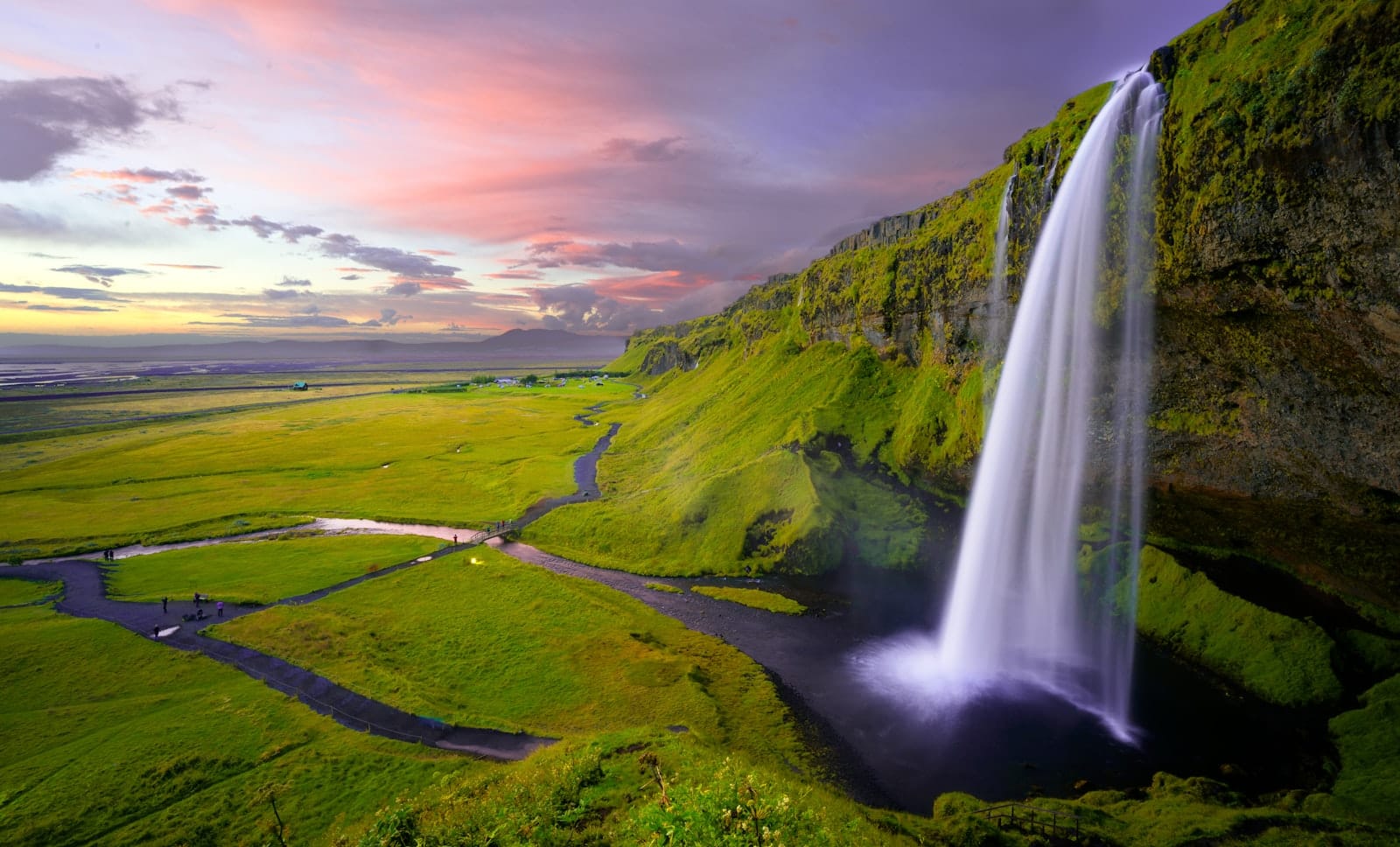
Fuel, hot pots, and one guided glacier walk. Waterfalls are free once you arrive. Campsites and simple guesthouses beat design hotels that sell lava as décor.
Weather as planner
We kept two flexible days and watched forecasts like locals. Wind closed roads; we pivoted to museums and soup.
Pack for wet, not for looks
Camper vans look free-spirited until you price campsites, showers, and the days wind traps you in a parking lot. We chose guesthouses with kitchens and slept better.
Golden Circle in a single day is possible and rushed. We split icons across two days and spent the saved panic on a hot pot where locals actually swam.
Card payments are everywhere; cash is almost theatre. What is not theatre is the grocery bill if you eat every meal out. Cook when you can.
Shoulder season light is the real luxury — long enough to hike, soft enough to photograph without the midnight-sun circus of peak summer crowds.
Pack layers that work wet. Iceland charges for forgetting gloves more than for forgetting fashion. Shoulder-season Iceland is still a splurge — just one with fewer people in your photos and more room to breathe.
Tell someone your rough daily plan when travelling remote stretches. Iceland is safe and still wild enough that check-ins are courtesy to the people who would look for you.
None of this is secret. It is simply the difference between travelling as a consumer of highlights and travelling as a temporary resident with a budget. Stretch exists to document the second kind with enough detail to reuse.